
Flaggers and Traffic Control Personnel: Keeping BC Job Sites Safe
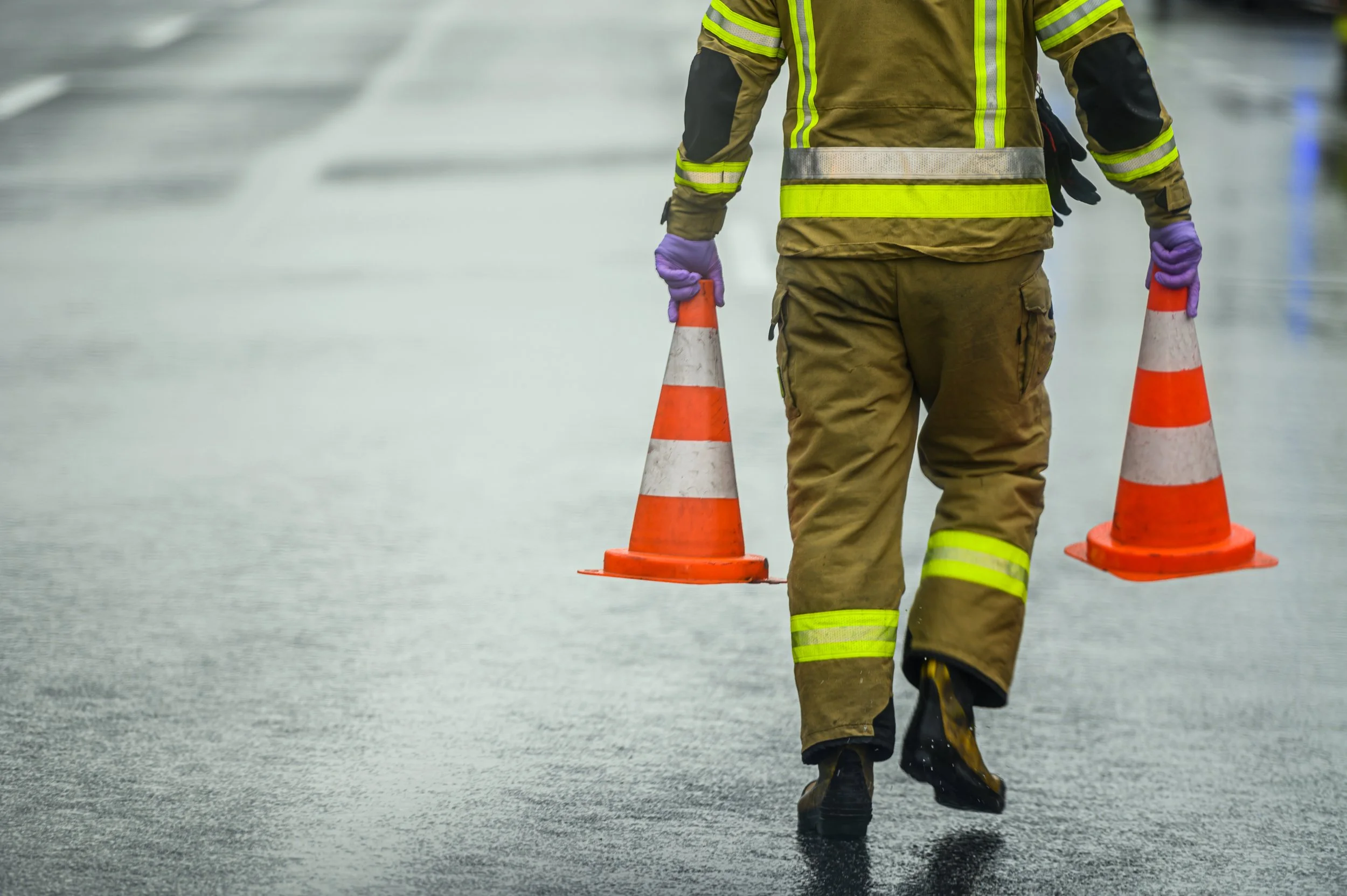
Construction and roadwork projects across British Columbia depend on safe traffic movement to protect workers and the public. Flaggers and traffic control personnel play a critical role in maintaining order, preventing accidents, and keeping job sites compliant with safety regulations.
From busy urban streets to highway construction zones, these trained professionals ensure traffic flows smoothly while crews work safely. Here is why flaggers are essential on BC job sites and how they support safe, efficient operations.
What Do Flaggers and Traffic Control Personnel Do?
Flaggers, also known as traffic control personnel, are responsible for directing vehicle and pedestrian traffic around construction zones. Their role goes beyond holding a stop sign. They act as the first line of safety between moving traffic and active work areas.
Common responsibilities include:
Directing traffic using signs, signals, and hand motions
Managing lane closures and detours
Communicating with equipment operators and supervisors
Monitoring traffic conditions and responding to hazards
Ensuring public and worker safety at all times
Their presence reduces confusion, improves traffic flow, and significantly lowers the risk of incidents.
Why Flaggers Are Essential on BC Job Sites
1. Protecting Workers and the Public
Active construction zones are unpredictable. Flaggers create a controlled environment where drivers know when to stop, slow down, or proceed.
By managing traffic effectively, flaggers help prevent collisions, near misses, and injuries on busy roadways.
2. Maintaining Compliance with Safety Regulations
Many BC job sites are legally required to have certified traffic control personnel in place, particularly on roadwork and utility projects.
Using trained flaggers helps companies meet WorkSafeBC requirements and demonstrates a commitment to safety and compliance.
3. Reducing Delays and Confusion
Without proper traffic control, construction zones can quickly become congested and unsafe. Flaggers keep vehicles moving efficiently while maintaining safe distances from work areas.
Clear direction reduces driver frustration and minimizes disruptions to surrounding communities.
4. Supporting Project Schedules
Traffic-related delays can slow down work and push timelines off track. Traffic control personnel help crews access work areas safely and efficiently, keeping projects moving according to plan.
Their coordination allows equipment operators and trades to work without unnecessary interruptions.
When Are Flaggers Required?
Flaggers are commonly required for:
Road construction and resurfacing
Utility installation and maintenance
Emergency repairs
Lane closures or reduced traffic flow
Work near intersections or pedestrian routes
Any situation where workers are exposed to live traffic typically requires trained traffic control personnel.
Choosing Qualified Traffic Control Personnel
Not all traffic control is the same. Qualified flaggers should be:
Properly trained and certified
Familiar with BC traffic control standards
Alert, professional, and safety-focused
Experienced in high-traffic and high-risk environments
Partnering with a reliable staffing provider ensures you get personnel who are ready to work safely and effectively on your site.
Flaggers and traffic control personnel are a vital part of safe job site operations across British Columbia. Their role protects workers, keeps the public safe, and helps projects stay on schedule.
Investing in professional traffic control is not just about compliance. It is about creating safer, more efficient work environments for everyone involved.
Need certified flaggers for your next project? Work with a trusted traffic control staffing provider to ensure your BC job site stays safe and compliant.